Weather Anomaly Correlations with Scoring Trends in Outdoor Team Events and Their Effect on Wagering Markets
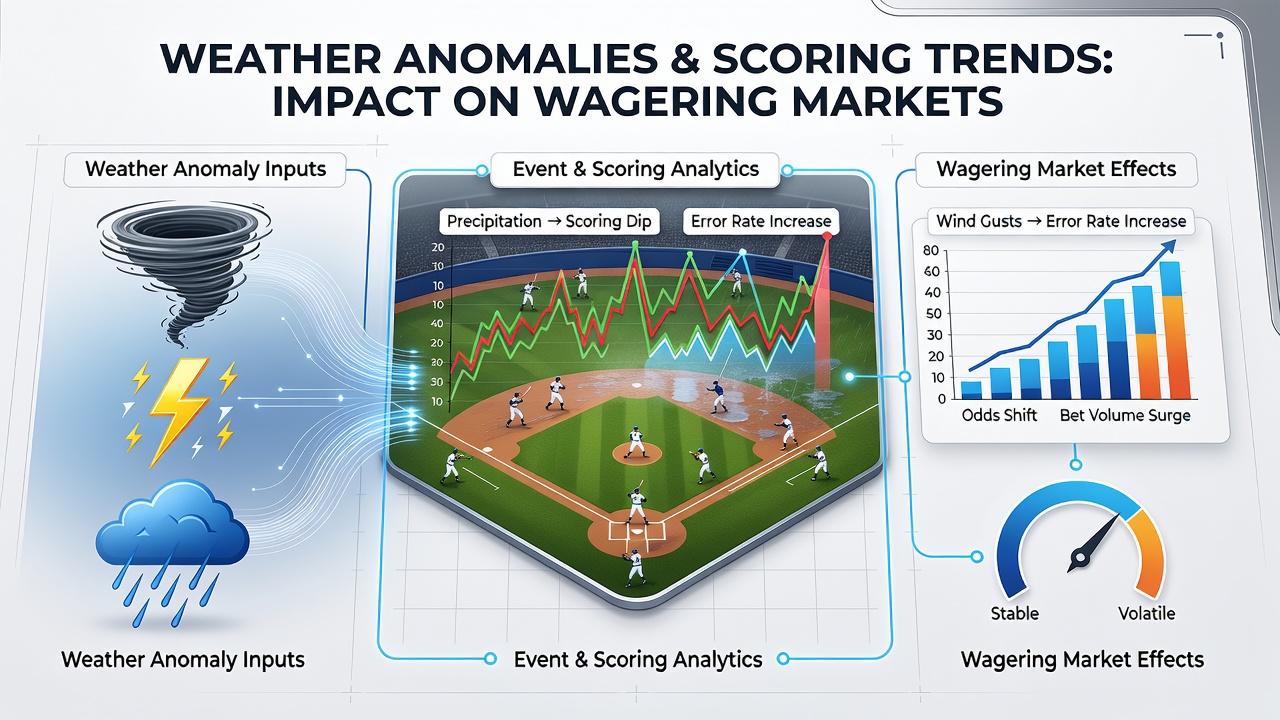
Weather anomalies have long shaped outcomes in outdoor team sports such as soccer, baseball, cricket, and rugby, yet correlations between these shifts and scoring trends only recently gained systematic attention from analysts tracking wagering markets. Data compiled across multiple seasons shows that deviations in temperature, precipitation, and wind patterns align with measurable changes in points scored, goals tallied, and runs accumulated. Researchers at institutions including the National Oceanic and Atmospheric Administration track these variables alongside performance metrics, revealing consistent patterns that bookmakers incorporate into line adjustments.
Temperature Deviations and Run Production in Baseball
Extended heatwaves correlate with elevated run totals in Major League Baseball games played at open-air stadiums, according to longitudinal studies spanning two decades. When daytime temperatures exceed seasonal averages by more than four degrees Celsius, batting averages rise while pitcher strikeout rates decline. Analysts note that July 2026 projections from climate models indicate continued warming trends across North American ballparks, prompting oddsmakers to recalibrate over/under totals upward in affected markets. Wind patterns add another layer, since sustained gusts above fifteen kilometers per hour favor fly balls that clear fences more readily in certain venues.
Precipitation Shifts and Goal Frequency in Soccer
Heavy or unseasonal rainfall alters pitch conditions in European and South American soccer leagues, leading to fewer goals per match when fields become saturated. Figures from the European Centre for Medium-Range Weather Forecasts demonstrate that matches played under rainfall anomalies twenty percent above historical norms produce an average of 0.4 fewer goals. Wagering operators respond by tightening totals lines and adjusting handicap spreads, particularly in leagues such as the English Premier League and Argentina's Primera División where drainage systems vary widely. Those monitoring live betting observe rapid line movement once precipitation begins during the first half.
Wind and Humidity Effects on Cricket Scoring
Cricket matches in Australia and India reveal pronounced sensitivity to humidity and cross-breeze anomalies. When relative humidity climbs above seventy-five percent for extended periods, swing bowlers record higher wicket tallies while batsmen post lower run aggregates. Australian Bureau of Meteorology records paired with Indian Premier League statistics indicate that elevated humidity episodes lasting three or more days coincide with team totals dropping by twelve to eighteen runs on average. Bookmakers therefore widen run-line spreads and shorten overs totals in response, creating windows for bettors who follow weather bulletins issued forty-eight hours before scheduled starts.

Market Adjustments and Liquidity Patterns
Wagering markets integrate meteorological data feeds within minutes of updated forecasts, producing sharp movements in both pre-match and in-play odds. A 2024 report from the University of Sydney's Gambling Research Unit examined thousands of soccer and cricket fixtures, finding that lines shift an average of 4.2 percent when weather anomalies exceed two standard deviations from seasonal norms. Liquidity concentrates around totals markets rather than moneyline or handicap options, because scoring volume reacts more directly to environmental variables than does win probability. Operators in regulated jurisdictions across Australia and Canada publish these adjustments transparently, allowing observers to track how early weather warnings translate into revised betting parameters.
Regional Variations and League-Specific Responses
North American football exhibits different sensitivities compared with rugby union played in New Zealand and South Africa. Lower temperatures combined with precipitation increase fumble rates and reduce passing yardage, while elevated heat indices correlate with higher injury substitutions that indirectly suppress scoring. Data from the Canadian Football League shows that games contested under wind-chill anomalies below minus ten degrees Celsius yield 3.8 fewer points per contest than league averages. Rugby authorities in the southern hemisphere similarly adjust fixture schedules when humidity spikes threaten player safety, indirectly influencing total points markets that bookmakers list weeks in advance.
Conclusion
Weather anomaly correlations continue to inform both scoring forecasts and wagering market dynamics across outdoor team sports. As meteorological agencies refine predictive models and sports leagues expand data-sharing agreements, operators and analysts gain finer tools for anticipating line movements tied to temperature, precipitation, and wind deviations. Observers following these intersections note that the most pronounced effects appear in totals markets, where environmental conditions exert direct influence on the pace and volume of scoring events.