Satellite Tracking Integrations Reshaping Market Lines Across Horse Racing Meets, Football Leagues, and Tennis Opens
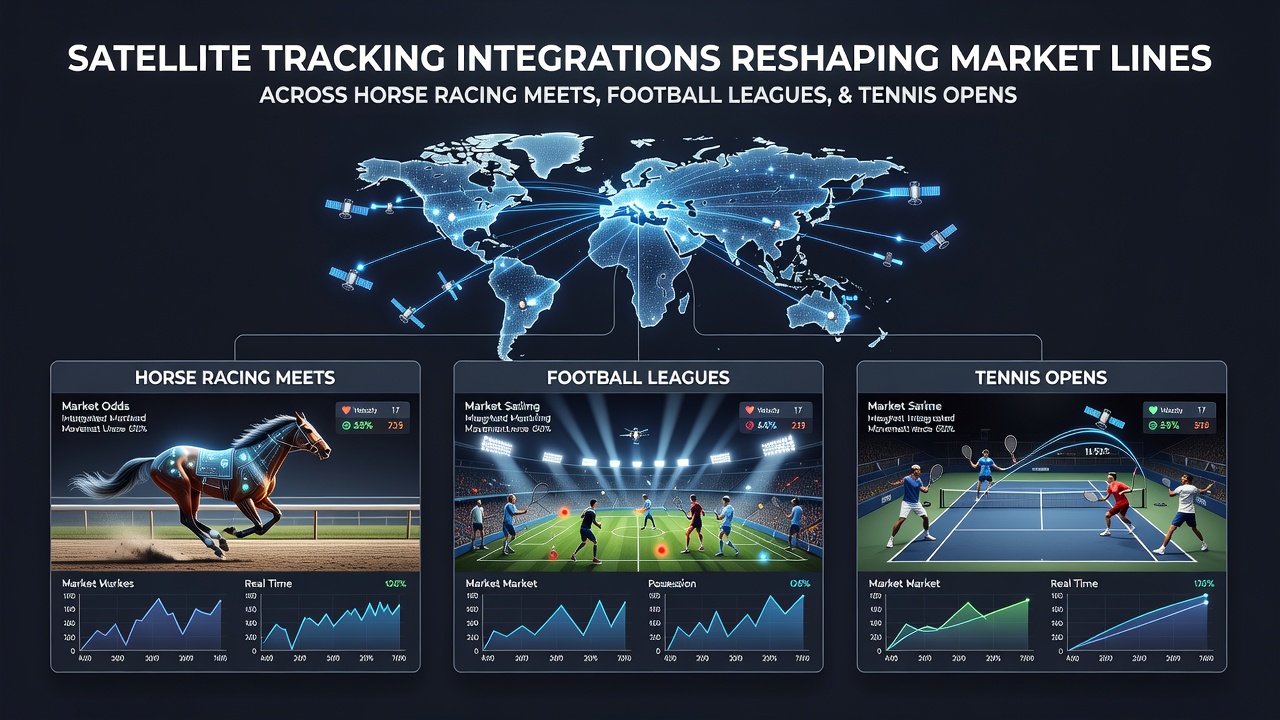 Satellite tracking technology now feeds continuous location and performance data into betting platforms across horse racing, football, and tennis, which lets operators recalibrate live market lines with greater precision than earlier manual systems allowed. Data from these integrations reaches bookmakers within seconds during events, and this speed changes how odds respond to on-field developments in each sport. Research from the Australian Sports Commission indicates that GPS-enabled sensors on horses, players, and equipment generate positional accuracy down to centimeters, which directly influences in-play adjustments during meets, matches, and opens.
Real-Time Data Flows in Horse Racing Meets
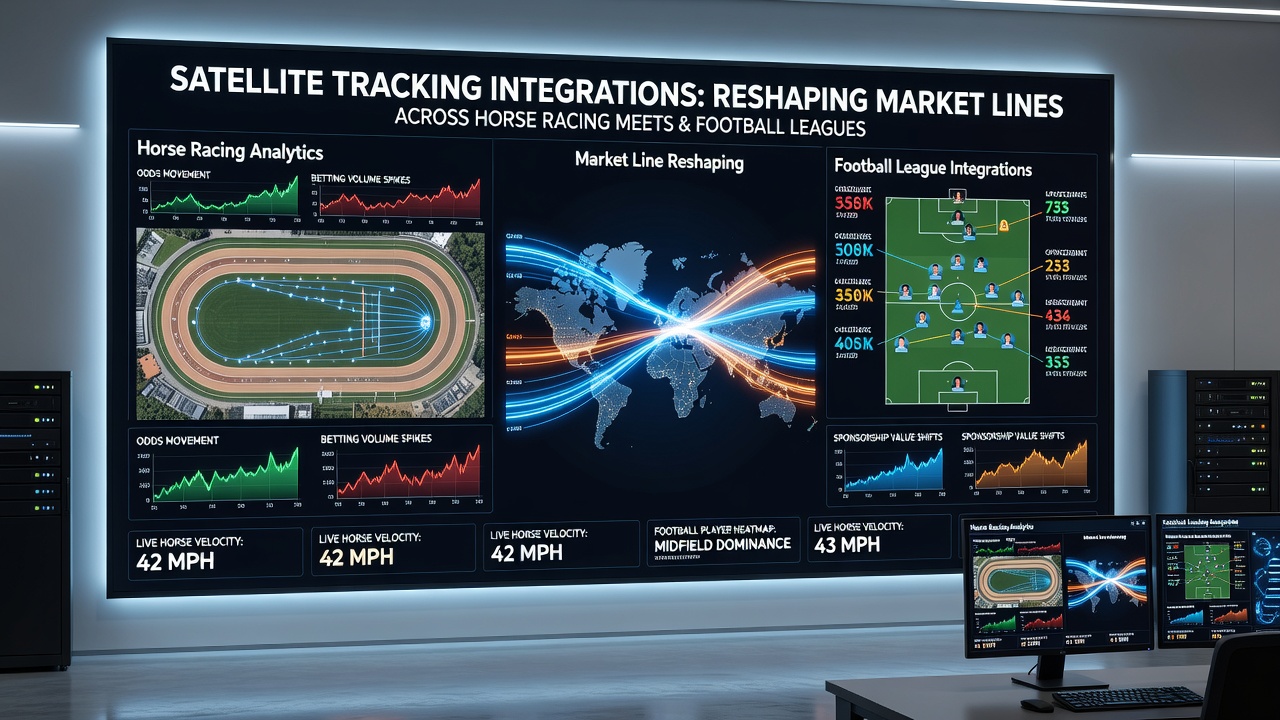
Horse racing meets adopted satellite tracking earlier than most other sports because trainers and regulators already used similar tools for safety monitoring, and those same feeds now supply betting markets with speed, stride length, and section-time metrics throughout every race. Observers note that when a horse's position updates every half-second, bookmakers can shift place and win probabilities before the field reaches the final turn, whereas pre-tracking methods waited for visual confirmation from stewards. In July 2026 several major Australian and European meets expanded these systems to include heart-rate and fatigue indicators alongside location data, which further tightened the timing of line movements during late-race surges. Figures from industry reports show that live market volatility increased by measurable margins once full satellite coverage became standard, because each update alters implied probabilities for the remaining runners.
Player Tracking Impacts Across Football Leagues
Football leagues integrated satellite and optical tracking to monitor player distances, sprint counts, and ball possession zones, and those metrics now feed directly into live betting engines that adjust goal, corner, and player-performance lines mid-match. European leagues began requiring clubs to share standardized tracking data with broadcasters and betting partners around 2023, and by 2026 the same feeds reached operators almost instantaneously through dedicated APIs. When a midfielder's high-intensity runs drop below expected thresholds, for example, markets on total goals or assists can shift within the same passage of play, and this responsiveness replaces slower manual reviews that once relied on delayed statistics. Data indicates that leagues using uniform satellite protocols experience fewer discrepancies between venue feeds and central servers, which reduces latency in line updates across multiple bookmakers simultaneously.
Precision Tracking at Tennis Opens
Tennis opens began embedding satellite receivers into court-side infrastructure and player wearables to capture serve speeds, court coverage, and rally durations with consistent accuracy, and these details now influence set, game, and point-spread markets in real time. Grand Slam events in 2026 expanded coverage to include ball-spin estimates derived from trajectory data, which allows operators to refine over/under totals on aces or break points as each rally unfolds. Researchers at sports technology programs have documented that the combination of satellite positioning with high-speed cameras reduces the margin of error in player-location reports to under ten centimeters, enabling sharper adjustments than earlier video-only systems provided. Markets tied to individual player metrics, such as total distance covered or unforced errors, respond faster because the underlying data arrives without manual input or delayed verification steps.
Cross-Sport Market Line Adjustments
Bookmakers that operate across horse racing, football, and tennis now use unified data platforms that ingest satellite feeds from all three sports, which creates consistent recalibration protocols even when events occur on different continents. When one platform receives simultaneous updates from a racing meet in Australia and a football match in Europe, the system can apply similar algorithmic rules to adjust live odds based on positional thresholds rather than sport-specific heuristics alone. Industry organizations such as the European Gaming and Betting Association have published guidelines on data latency standards, and operators following those standards report tighter spreads between opening and closing lines during high-volume periods. What's interesting is that the same positional accuracy requirements apply whether the asset tracked is a thoroughbred, a midfielder, or a baseline player, so the technical infrastructure converges even though the rule sets remain distinct.
Regulatory and Infrastructure Developments
Government agencies in multiple regions have begun requiring minimum tracking standards for events that feed licensed betting markets, which encourages venues to maintain satellite coverage throughout entire competitions rather than only during featured races or matches. These requirements emerged after several studies showed that incomplete data feeds created uneven information advantages between operators and bettors. In July 2026 updated protocols from Australian and North American regulators aligned on minimum update frequencies, and this alignment simplified integration for international betting platforms that handle multiple sports. The result appears in more uniform response times across horse racing, football, and tennis markets, because each venue meets the same baseline for data freshness before lines can be adjusted.
Conclusion
Satellite tracking integrations continue to supply betting platforms with granular positional and performance data that reshape live market lines across horse racing meets, football leagues, and tennis opens. The convergence of these feeds under shared technical standards has produced faster, more consistent adjustments than earlier manual or video-dependent methods allowed, and regulatory alignment in 2026 further standardized the process. Observers continue to track how additional sensor types, such as fatigue or spin metrics, will layer onto existing location systems and whether those additions will extend similar precision to new bet types in each sport.