How Elevation Changes Shift Betting Lines in Matches Played at High Altitude Venues
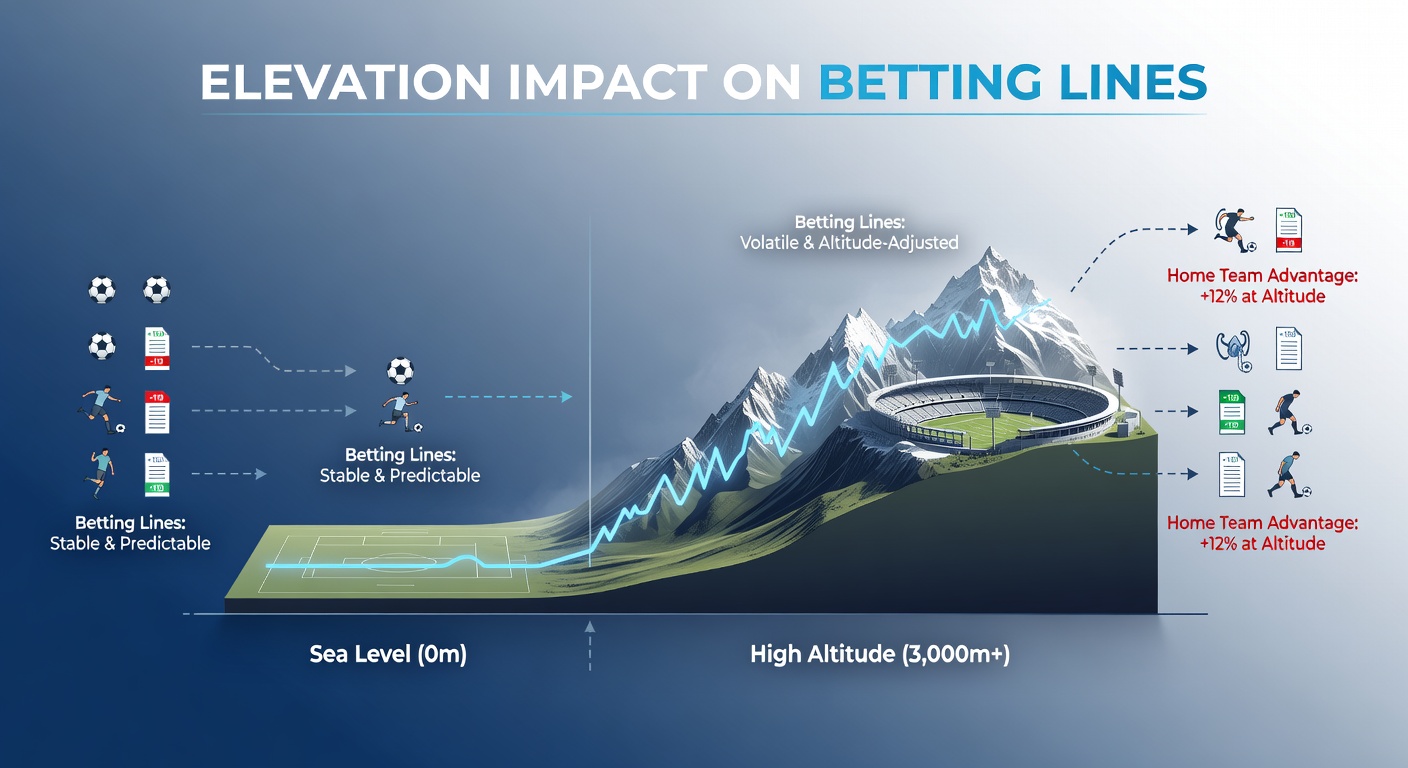
High altitude venues create measurable shifts in athletic performance that bookmakers track closely when setting initial lines and adjusting them in real time. Venues above 2000 meters above sea level reduce oxygen availability, which alters endurance, recovery rates, and skill execution across multiple sports. Data from matches in locations such as La Paz, Mexico City, and Johannesburg show consistent patterns where visiting teams experience performance drops that markets reflect through adjusted totals and spreads.
Physiological Responses at Elevation
Researchers have documented how lower air pressure affects the human body within minutes of arrival. Oxygen saturation drops, heart rates rise faster during exertion, and lactic acid builds more quickly. Studies conducted at the University of the Witwatersrand in South Africa tracked soccer players during acclimatization periods and found that unacclimated athletes cover 8 to 12 percent less distance at high intensity in the first 48 hours after ascent. These changes appear most pronounced in the second half of matches when fatigue compounds the initial effects.
Bookmakers incorporate such findings into pre-match modeling. Totals for goals or points often move lower when a sea-level team travels to a high-altitude site without sufficient preparation time. In contrast, home sides that train regularly at elevation maintain closer to baseline output, which creates measurable home advantages reflected in moneyline adjustments.
Sports Most Affected by Altitude
Soccer provides the clearest examples because matches last 90 minutes and involve continuous running. FIFA medical reports note that matches at Estadio Hernando Siles in La Paz, sitting at 3600 meters, produce lower goal counts on average compared with neutral-site games involving the same teams. Visiting squads from lower elevations record fewer shots on target and complete fewer passes in the final third during the opening 30 minutes.
Basketball shows different patterns because games occur indoors with shorter bursts of activity. Still, data from the NBA's Mexico City games indicate that visiting teams from coastal cities post slightly lower three-point percentages and commit more turnovers in the fourth quarter. Cricket presents another case where high-altitude grounds in Johannesburg affect ball carry, altering run totals and wicket probabilities that bookmakers price into over-under markets.
Market Adjustments and Line Movement
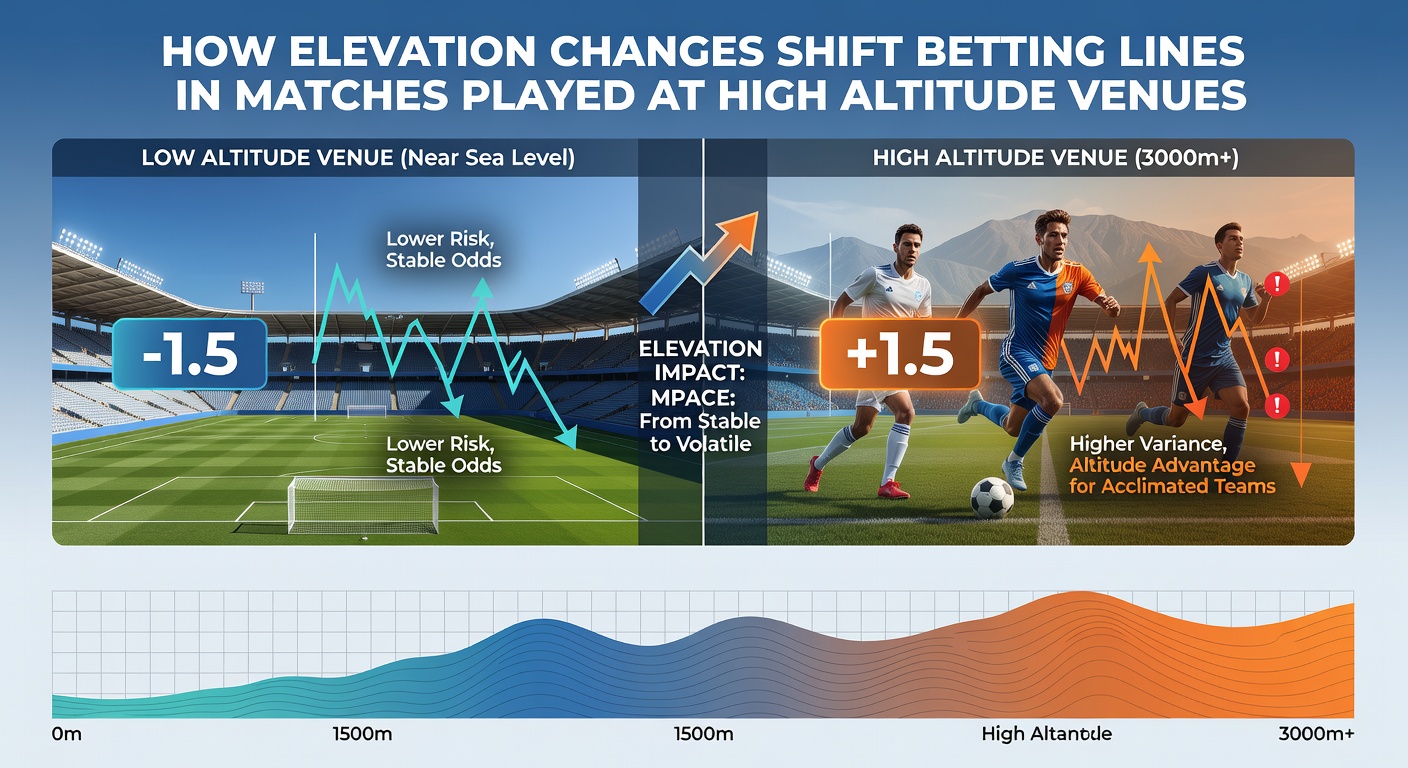
Oddsmakers begin by reviewing historical performance data from the specific venue. They then layer in travel schedules, acclimatization windows, and recent form at elevation. When a match occurs within 24 hours of arrival for the visiting side, totals frequently open 0.25 to 0.5 goals lower than comparable sea-level fixtures. Live betting sees further movement once the first 15 minutes reveal whether the away team has adapted or is struggling with breathing and recovery.
Spreads widen in favor of the home team when models predict elevated error rates from the visitors. In May 2026, several CONMEBOL qualifiers scheduled at high-altitude Bolivian and Ecuadorian venues are expected to see early line releases that already bake in these variables, with further movement likely once team sheets confirm player fitness after long flights.
Case Examples from Recent Seasons
One documented instance involved a European club side traveling to Mexico City for a midweek fixture. The opening total sat at 2.75 goals, yet the line drifted to 2.5 within hours after reports confirmed the squad landed only 18 hours before kickoff. The match finished 1-1, aligning with the adjusted market. Observers tracking similar patterns note that teams given at least four days at altitude see totals revert closer to sea-level expectations.
Horse racing at tracks above 1500 meters, such as those in the Andes region, shows parallel effects on times and finishing positions. Jockeys report horses requiring longer recovery between races, which influences place and each-way pricing when fields include shippers from lower elevations. These adjustments appear in both pre-race odds and in-running markets as pace develops.
Acclimatization Windows and Scheduling
Teams that schedule training camps at intermediate altitudes before traveling to the highest venues reduce performance gaps. Data collected by the Australian Institute of Sport demonstrates that a 7- to 10-day protocol improves repeat sprint ability by measurable margins. Bookmakers monitor training camp announcements and adjust lines accordingly, sometimes moving totals back upward when the visiting roster has followed such a plan.
Conversely, compressed schedules during continental tournaments limit preparation time. In such windows, models assign higher probabilities to lower-scoring or lower-point outcomes, which translates directly into tighter over-under ranges and wider spreads.
Conclusion
Elevation introduces quantifiable variables that betting markets price through historical data, physiological research, and real-time indicators. Venues at significant height consistently produce different statistical profiles than sea-level sites, prompting line shifts that reflect reduced output from visiting athletes. As fixtures approach in May 2026, continued monitoring of travel logistics and acclimatization efforts will determine how sharply markets move in the final days before kickoff.