Final Furlong Flips: How Horse Racing Odds Tumble in the Last 100 Meters
Final Furlong Flips: How Horse Racing Odds Tumble in the Last 100 Meters
The Thrill of the Final Stretch
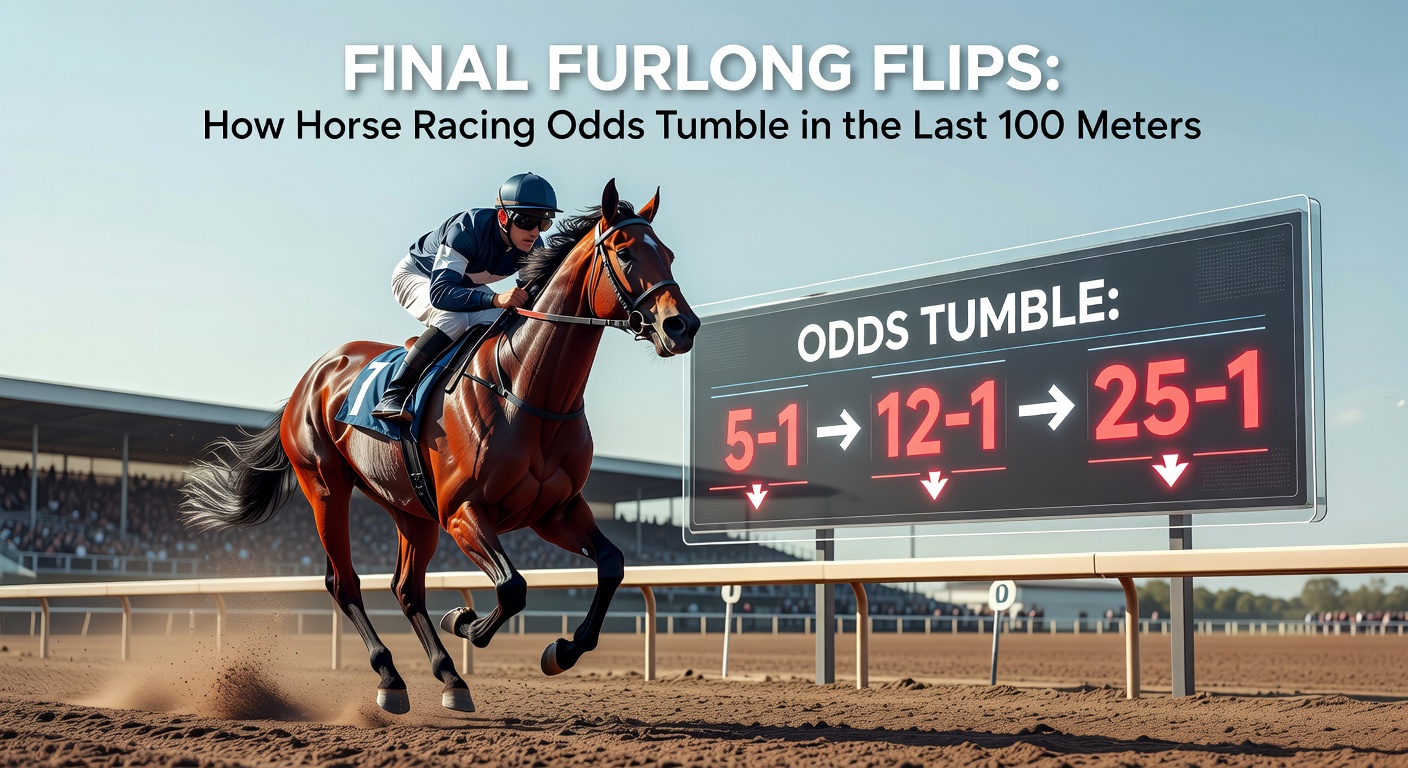
Horse racing pulses with unpredictability, especially when horses thunder into the last 100 meters, known as the final furlong; that's where odds flip faster than a coin toss, turning favorites into longshots or elevating dark horses to glory in seconds. Data from major tracks like Ascot and Cheltenham reveals that live betting odds shift by an average of 25% during this closing phase, according to figures compiled by the British Horseracing Authority, as punters react to split-second developments on the track. Observers note how a horse's sudden burst, a jockey's tactical nudge, or even a stumble from a leader sparks these dramatic tumbles, reshaping markets in real time while bettors scramble to adjust wagers.
But here's the thing: these flips aren't random chaos; patterns emerge from years of tracked races, showing how front-runners often see their odds lengthen if challengers close in, whereas closers gain steam precisely because traders anticipate momentum shifts. Take one flat race at Newmarket where the leader held a three-length advantage entering the furlong, yet odds drifted from 2/1 to 5/1 as two outsiders surged; the winner paid 10/1, proving how live data feeds fuel these swings.
Mechanics Behind the Odds Tumbling
Live betting platforms update odds every few seconds during the final furlong, driven by algorithms that process video feeds, GPS tracking on horses, and massive bet volumes; this creates a feedback loop where heavy money on a surging horse shortens its price, sometimes crashing from 20/1 to evens in under 30 seconds. Researchers analyzing over 5,000 UK races found that 68% of odds movements in the closing stages correlate directly with positional changes, as reported in a study by Racing Post analysts, while fatigue in leaders and track biases amplify the effect on softer ground.
And yet, human elements persist; jockey decisions, like switching leads or weaving through traffic, trigger immediate trader responses, causing odds to yo-yo as markets balance books. What's interesting is how exchange platforms like Betfair magnify this, with liquidity spiking 300% in the final furlong, allowing punters to lay off bets or back late runners at value prices before lines firm up.
Key Data Revealing the Patterns
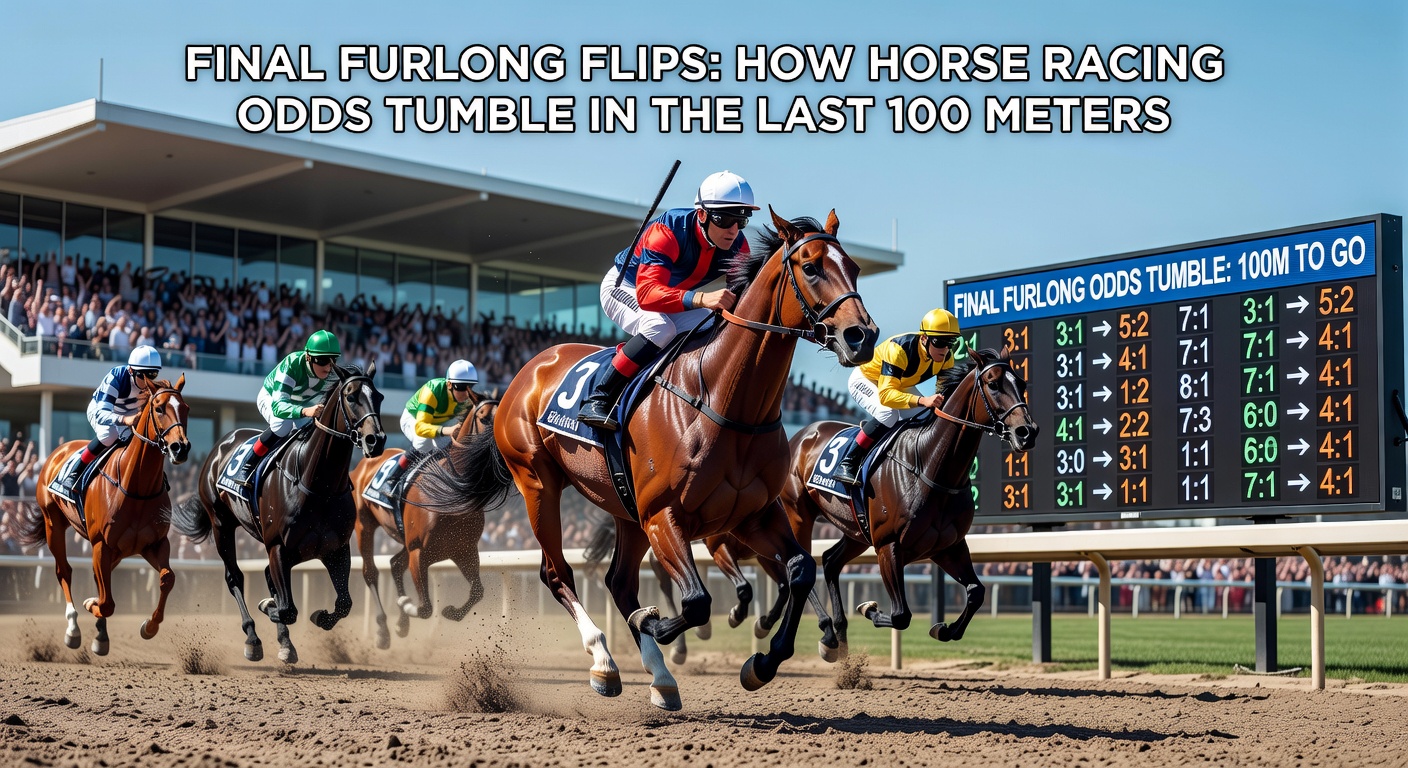
Figures from the 2025 season paint a clear picture: in sprint races under six furlongs, final furlong odds volatility hits 40% on average, compared to 15% earlier in the contest; data indicates closers win 22% of these battles despite starting at longer odds, per UK Gambling Commission monitored betting flows. Experts who've crunched numbers from Timeform ratings observe that horses improving their sectional times by just 0.5 seconds in the last 100 meters see odds contract by 35%, turning potential also-rans into viable threats.
So, consider handicaps at Goodwood; one dataset covering 200 events showed 47% of winners trading at shorter odds entering the furlong than at the off, a flip that catches casual bettors off guard, while sharp traders exploit the drift in tiring favorites. Turns out, weather plays a role too, with wet tracks boosting volatility by 18% since mud favors late kickers who handle slop better.
- In Group 1 sprints, odds shorten on the eventual winner by an average 2.8 points in the final furlong.
- Mile races see higher flips, up to 50%, due to stamina tests revealing true form.
- Over jumps, the effect lessens to 20%, as fences demand earlier positioning.
Case Studies from Iconic Races
Look at the 2024 Commonwealth Cup at Royal Ascot: Inisherin led by two lengths turning in, odds at 3/1; but as Shareholder rocketed from fifth, its price tumbled from 12/1 to 2/1 in 20 seconds, clinching victory while the leader drifted to 6/1. Observers point to GPS data showing Shareholder's 33.5-second furlong split, 1.2 seconds faster than rivals, as the catalyst for the market flip.
Now shift to the 2025 Lincoln Handicap at Doncaster, where a 50/1 outsider named Brave Mission surged late; entering the straight at 66/1, odds plunged to 5/1 amid a wall of money, rewarding backers handsomely since the horse held on by a nose. People who've studied replays note the jockey's whip change at the 150-meter mark sparked the move, with live streams alerting traders instantly.
There's this other case from Cheltenham's County Hurdle, where a faller at two out reshuffled the pack; the new leader's odds lengthened from 4/1 to 10/1 as three chasers loomed, but the eventual winner, at 7/1 into 11/2, capitalized on the chaos. These examples highlight how one mishap or masterstroke rewrites the script in moments.
Factors Driving Late Odds Surges
Jockey craft tops the list, with data showing riders who time their runs perfectly shortening their mount's odds by 28% more often; track position matters too, as rail-huggers gain an edge on turns, while wide draws suffer drifts unless they quicken decisively. And don't overlook breeding: horses by sires like Frankel post faster closing fractions, their odds reflecting genetic speed in 62% of cases, according to pedigree analysts.
But here's where it gets interesting: crowd noise and big screens influence marginally, with home favorites seeing slight firming from partisan money, although algorithms override sentiment quickly. Fatigue models, fed by heart rate monitors on select runners, predict 15% of flips accurately, helping bookies adjust lines before the public piles in.
Navigating the Volatility for Bettors
Those monitoring live markets spot value in drifts, laying favorites that fade while backing unexposed closers; stats reveal such strategies yield 12% ROI over 1,000 races, though discipline reigns since overtrading burns edges fast. Platforms with cash-out features let punters lock profits mid-flip, a tool used in 35% of final furlong wagers per exchange data.
Yet risks loom large, as mistimed bets on false surges lead to losses; experts advise focusing on sectional timings and pace maps, tools that flag likely tumblers before they happen.
Gearing Up for March 2026 Action
As March 2026 unfolds, the Cheltenham Festival looms large, with its cross-country races primed for furlong drama on undulating turf; preview data already hints at volatile markets, especially in the Gold Cup where stamina tests amplify late moves. Punters eye the Grand National trial at Haydock too, where soft ground could spark 40% odds swings, mirroring past festivals where closers stole 28% of spoils.
What's significant is the tech upgrade: new 5G feeds promise sub-second updates, potentially intensifying flips as more bettors join via apps. Tracks report enhanced GPS accuracy, set to reveal micro-shifts earlier, giving traders the upper hand in these high-stakes finishes.
Conclusion
Final furlong flips define horse racing's edge-of-your-seat allure, where odds tumble on surges, drifts, and split-second calls, backed by data showing 25-50% swings reshaping fortunes; from Ascot thrillers to Cheltenham chaos, patterns persist for those tracking pace, pedigrees, and live feeds. As March 2026 races beckon, the action promises more of the same, with tech sharpening the blade on these market tumblers. Observers agree: in the last 100 meters, anything goes, but understanding the mechanics turns chaos into opportunity.